ArcDivan logo Archidivan Architecture, design and intelligent tools
Current section

2025

A full-browser white-on-black reading experience with golden architectural accents, without the old three-column blog look.

Explore Archidivan by architectural discipline

Smart Categories

Visitors can move by discipline instead of date. This is stronger for architects because they usually browse by design problem, material, software, specification topic, or supplier need.

Review of ChelseaGREEN _ interior furniture and workspace solutions provider


Review of ChelseaGREEN – Our Services

Company overview

Image

Image

Image

ChelseaGREEN LLC is a Dubai-based interior furniture and workspace solutions provider. Their website states they partner with clients to deliver “stimulating, people-centred workspaces” by offering end-to-end solutions: sourcing, design, supply, project estimation and installation. (InnoFurniture)
Their address is listed as Studio M9, Al Joud Centre, 33 Sheikh Zayed Road, Al Quoz Industrial 1, Dubai, UAE. (InnoFurniture)

For architects and design managers working in Dubai (such as yourself), ChelseaGREEN may be of interest as a furniture/supply partner for commercial or educational projects.


Services breakdown

From their “Our Services” section, key offerings include:

  • Furniture sourcing: They supply furniture from established brands, emphasising aesthetics, quality and function. (InnoFurniture)

  • Project estimation: They collaborate early with clients to define cost and timeline to avoid surprises during execution. (InnoFurniture)

  • Interior design (virtual + actual): They prepare virtual interiors in collaboration with the client, then execute delivery and installation. (InnoFurniture)

  • Customised designs: Designs are tailored to brand identity and context (commercial, educational) so that the end-space functions appropriately for its users. (InnoFurniture)

They position themselves not merely as furniture dealers but as integrated partners supporting the full workflow: design, supply, installation, and after-care. (InnoFurniture)


Relevance to Dubai architecture & design projects

Given your role as a Design Manager in Dubai, these are notable points of relevance:

  • Their local presence in Al Quoz Industrial 1 makes them easily accessible for site visits, showroom review and logistics.

  • Their workflow aligns with the typical architectural project lifecycle: estimation → design coordination → supply → installation. This can support your role in overseeing design compliance, coordination between consultant and contractor, and ensuring timely delivery.

  • They emphasise “people-centred” and “healthy & sustainable” furniture solutions. From the website: “Unique & Functional”, “Healthy & Sustainable”, “Cost-effective”. (InnoFurniture) For Dubai projects where wellness, ergonomics and occupant comfort are increasingly required (e.g., wellness certifications, LEED/DGBC), this positioning may help in achieving specification goals.

  • Their list of brand partners includes international manufacturers (for example in their “Our Brands” section) which suggests access to globally recognised quality and warranty standards. (InnoFurniture)


Considerations & alignment with consultant/contractor workflows

When evaluating them as a potential supplier for your projects in Dubai, consider the following factors:

  • Confirm specification compliance: Ensure that the furniture and fittings supplied meet local regulatory requirements (Dubai Municipality, DEWA, DDA, etc) especially regarding fire-rating, acoustic performance, finishes and durability.

  • Integration with your design management duties: As Design Manager you’ll want clear coordination between furniture scope, architectural finishes, MEP services, ceiling, partitions etc. A partner that offers full installation plus after-care helps reduce hand-over risk.

  • Lead-time and supply chain: Review how they manage manufacturing lead times (especially for custom designs) and shipping/import clearance into UAE, to align with project schedules in Dubai.

  • Warranty, after-care and maintenance: The website mentions after-care services. Verifying what is included (e.g., warranty period, parts replacement, on-site servicing) is beneficial especially in commercial environments.

  • Budget and lifecycle cost: While emphasising cost‐effectiveness, as an architect you might want to compare total lifecycle cost of the furniture solution (maintenance, refurbishment, replacement) rather than just initial purchase.

  • Sustainability credentials: If your project targets sustainability or wellness certifications (e.g., LEED, WELL, Estidama), check for documented credentials of the supplied brands (recycled content, low-emitting materials, ergonomic certifications etc).


How to work with them in a consultancy role

Here is a suggested workflow for integrating ChelseaGREEN into your project delivery process:

  • Early in the project (Schematic/Design Development), engage with ChelseaGREEN to understand available furniture systems, brand options, lead-times and budgets.

  • Include furniture supplier(s) early in coordination meetings so that furniture layouts, power/data requirements, full height partitions, ceiling integration, and services coordination are addressed.

  • Review their virtual interior designs in coordination with your architectural team to ensure consistency of brand identity, spatial layout, finishes, lighting, and circulation.

  • Specify in tender documents or contract packages the furniture supplier’s scope: supplying furniture, handling logistics, installation, commissioning and after-care.

  • During construction phase, track the furniture supply and installation schedule as part of your design management role (ensuring that furniture delivery, installation and final handover align with building commissioning and occupancy planning).

  • After handover, ensure there is structured after‐care support (warranty, maintenance manual, user orientation/training) so occupants obtain the ergonomic and wellness benefits intended.


Final thoughts

ChelseaGREEN appears to offer a comprehensive furniture and workspace solutions service that aligns well with architectural and design consultancy needs in Dubai. For your role overseeing building design and standards, they could serve as a reliable partner especially for commercial workplace, educational or corporate interiors. Evaluating their brand offering, lead-time logistics, after-care and specification compliance will be key to making them a valuable collaborator.

References
ChelseaGREEN “Our Services” page. (InnoFurniture)
ChelseaGREEN “Our Brands” page. (InnoFurniture)
ChelseaGREEN “About Us” page. (InnoFurniture)
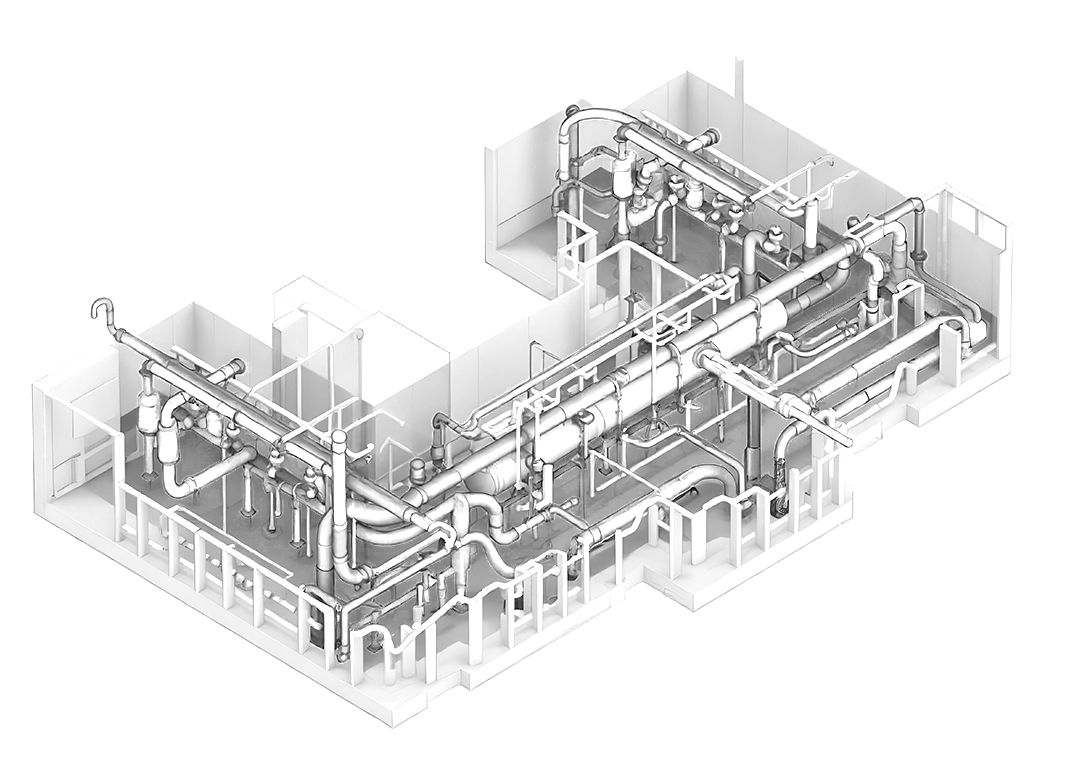
Review of J&F Engineering Consultancy _ BIM-enabled structural, MEP and detailing services


Review of J&F Engineering Consultancy (www.jf.ag)

Image

Image

Image

Company Overview

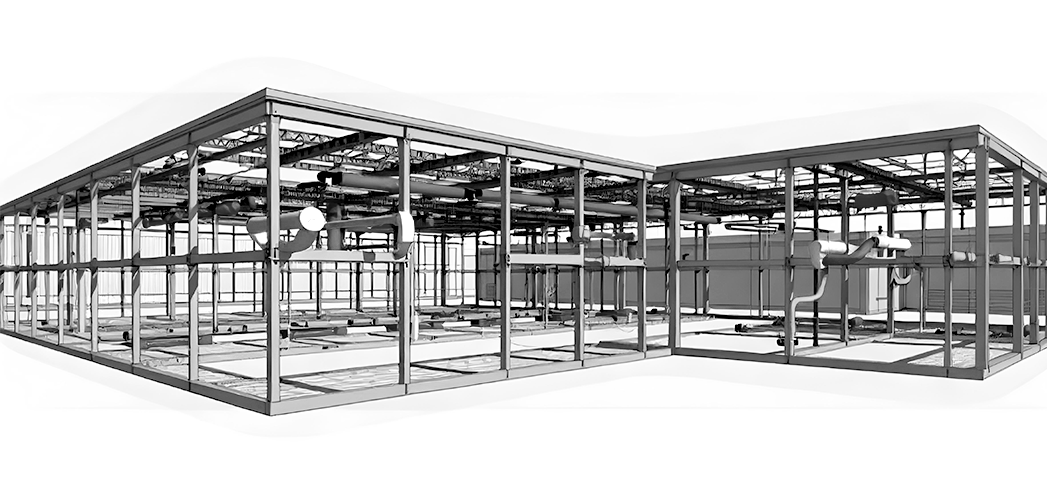
J&F Engineering Consultancy, founded in Germany and operating internationally, offers BIM-enabled structural, MEP (mechanical, electrical, plumbing) and detailing services. (J&F) Some of its claims and core figures:

  • Over 25 years of experience. (J&F)

  • “400+ engineers & detailers”, across “5+ offices”. (J&F)

  • More than 1,000 reference projects globally. (J&F)

Core Services & Capabilities

Key service offerings relevant to architectural and consulting work include:

Relevance for Dubai-based Consultants & Design Managers

Given your background as an Architect / Design Manager in Dubai with interests in building design strategies, BIM/Revit workflows, and regional standards, here are the key points of relevance and things to be aware of:

Advantages

Considerations & Limitations to Check

  • While they list many global projects, you should verify their specific experience in the UAE / GCC region (local codes, local sub-contracting environment, local BIM standards such as Dubai Municipality’s requirements or the Dubai Digital Authority digital twin ambitions).

  • Confirm that their deliverables align with local consultant/contractor BIM execution plans used in Dubai (e.g., LOD, federated model strategy, IFC deliverables, COBie, as-built data).

  • Assess whether their structural/MEP modelling aligns with Emirates / Dubai load codes, UAE Fire & Life Safety codes, local materials and specifications (for example, shotcrete rebar detailing, concrete grades, etc).

  • Because you are used to overseeing design and ensuring standards, check their QC/QA processes, their “AI-driven project and quality management” claim (from their site) and how this will integrate with your internal quality governance. (J&F)

  • Clarify scope boundaries: Are they acting only as modelling/detailing support or full design consultants? For your role, you’ll want clarity on interfaces, responsibilities, and deliverable ownership.

How to Specify / Use Them in Dubai Context

  • In your design management role, you could engage J&F as a specialist BIM/model-outsource partner or as a sub-consultant for structural/MEP detailing.

  • When writing specifications (CSI MasterFormat) for deliverables, typical divisions might include:

    • Division 13 – “Special Construction” (if precast factories or modular)

    • Division 14 – “Conveying Systems” (if airport or large infrastructure modelling)

    • Division 21/22/23 – Plumbing, HVAC, Electrical systems respectively (for MEP)

    • Division 03 – “Concrete” (3D rebar detailing)

    • Division 05 – “Metals” (structural steel design)

    • Division 25 – “Integrated Automation” / digital handover (COBie, data management)

  • In your consultant specifications for a Dubai project you might require:

    • BIM Execution Plan (BEP) compliant with Dubai Municipality or DCD digital twin protocols

    • Federated model submission in IFC/OBJSON or native Revit with verification of geometry + attribute data

    • As-built deliverables plus COBie files for handover at completion

    • Clash detection report and model coordination sign-off

    • Documentation of parametric Revit families, model LOD (e.g., LOD 300/350/400) aligned with consultant expectations

  • Because you are in Dubai and working with local contractors/consultants, ensure coordination with local supply chain, and that the partner can deliver files/data in formats usable locally without rework.

Summary for Architects / Design Managers

For someone in your role in Dubai, J&F presents a viable specialist partner for BIM modelling, structural/MEP detailing and digital delivery. Their global presence and capabilities are strong, but for your local projects you should verify their UAE/GCC project experience, deliverable compatibility with local standards and workflows, and clearly define responsibilities in the model-led process. Their services can help streamline the digital design-to-construction handover, reduce rework and enhance coordination — all of which align with evolving practices in Dubai’s built environment.

References

  • “About J&F – Engineering Consultancy for BIM, Structural & MEP Services” — J&F website. (J&F)

  • “MEP Engineering Services” — J&F website. (J&F)

  • “BIM Outsourcing Services by J&F” — J&F website. (J&F)

Review of Design Space _ a multi-disciplinary interiors consultancy


Review of Design Space (designspace.ae)

Image

Image

Image

Company overview

Design Space is a multi-disciplinary interiors consultancy and brand agency operating in Dubai and the UK. On its website it describes itself as supporting architects, developers and designers “through an integrated consultancy model — aligning creative vision, technical precision and cost intelligence from concept to completion.” (DesignSpace.ae)
Key facts:

  • It represents luxury European furniture, lighting and décor brands in the GCC and UK. (DesignSpace.ae)

  • It offers services including brand representation, FF&E (furniture/fixtures/furnishings & equipment) procurement, design consultancy, and supply-chain/logistics support. (DesignSpace.ae)

  • The company is family-run, with more than 40 years of experience in the interiors realm. (DesignSpace.ae)

  • Offices: in Dubai (Al Garhoud) and London. (DesignSpace.ae)

Services and relevance to your architecture/design projects in Dubai

Given your role as Design Manager in an engineering consultant firm in Dubai, here are how their services align and some considerations:

Relevant service lines

  • FF&E Procurement Consultancy – For large residential, hospitality, or mixed-use projects you might oversee, Design Space can assist with sourcing high-end furniture, lighting, accessories, handling logistics, regional compliance etc. (DesignSpace.ae)

  • Design & Architectural Support – They claim collaboration with European studios for concept, spatial planning, materials/finishes, lighting detailing, specification adaptation for local context. (DesignSpace.ae)

  • Brand Representation / Market Entry – If any part of your projects include international brand roll-outs or brand-led interiors (e.g., hotel chains, high-end retail) they can act as intermediary. (DesignSpace.ae)

Value Proposition for your context

  • They bring regional experience (UAE & GCC) combined with luxury brand/European manufacture relationships. Could be especially useful when specifying high-end finishes or furniture where global sourcing, lead-times, import logistics, and regional compliance matter.

  • Since you focus on building design strategies and coordinating between architecture, interiors, and consultants, partnering with a procurement/brand specialist may streamline the hand-off from architectural design to interior-furnishing fit-out.

  • For you as Design Manager, this could reduce risk in the FF&E chain (budget, timeline, installation quality) if you engage early.

Limitations / Things to check

  • Their focus appears strongly on luxury, high-end brands. If your project is mid-tier or cost-driven, this may not align budget-wise.

  • Given your architecture/consulting firm work (likely with structural/MEP/integrated scope), ensure clear coordination lines: how they interface with architectural specifications, required compliance (local codes, procurement contracts), and YOUR firm’s design management role.

  • Lead-times, import duties, and logistics in UAE/GCC remain critical—validate these early if using high-end European supply.

  • Regional compliance: While they cover procurement, you will still need to ensure finishes, FF&E items meet UAE standards (Dubai Municipality, DEWA, DCD, etc). Their role is supportive but doesn’t replace your overall design responsibility.

Specification & CSI MasterFormat alignment

Given their scope (FF&E, interior architecture, lighting, accessories), the relevant CSI MasterFormat sections might include:

  • Division 12 – Furnishings: for furniture, window treatments, accessories

  • Division 26 – Electrical: for lighting systems (if they are specifying lighting fixtures)

  • Division 12 48 – Acoustic furnishings (if any acoustic furniture or panels)

  • Division 12 20 – Window treatments (if that is included)

  • Division 12 90 – Furnishing specialties (such as custom decorative elements)

As a design manager you should cross-reference their deliverables with your project’s full specification: ensure their procurement items are specified in the schedule and tied into your architectural scope, contract drawings, and hand-over documentation.

Dubai regulatory and project-context considerations

Because you operate in Dubai:

  • Ensure FF&E items comply with fire-safety regulations (e.g., Dubai Civil Defence for public/hospitality spaces) regarding flame spread, materials.

  • Check procurement logistics: customs/import duties in UAE may affect cost/timeline.

  • For sustainability credentials (which increasingly matter in Dubai projects), verify whether the brands they represent align with your project’s sustainability targets (LEED, Estidama, Dubai Green Building Regulations).

  • If your project falls under the Dubai Municipality or Dubai Culture & Arts Authority or a hospitality chain, confirm branding/fit-out compliance, especially in public spaces.

  • Because you oversee building designs, ensure the interface between architectural finishes and furniture/lighting is captured in BIM/Revit models and that this agency’s items integrate with your BIM deliverables.

Site summary

The website shows:

  • A strong brand identity emphasising “Design. Consultancy. Procurement.” (DesignSpace.ae)

  • A curated list of luxury European furnishings brands they represent (e.g., Riva 1920, Kymo, Gescova, Carpanelli) which suggests luxury placement. (DesignSpace.ae)

  • Case-studies/projects covering residential, hospitality, and even yacht interiors. (DesignSpace.ae)

  • Insight/Blog section covering issues like market entry, procurement in GCC, etc. (DesignSpace.ae)

Insights for you as a Design Manager in Dubai

  • If you have a project where the interior finish, furniture, lighting and accessories need luxury or high-spec sourcing, I would recommend engaging Design Space early in the FF&E procurement phase to align lead-times, budgets and detailing.

  • Ensure that their procurement schedules are aligned with your architectural timelines (especially for hand-over, installation, commissioning) and interface with structural/MEP/procurement deliverables.

  • Use their expertise to bridge the gap between architecture and interior brand supply chain. This can free you to focus on interfacing with consultants, structural/MEP coordination, and client/stakeholder alignment.

  • Always retain clarity on contract responsibility and deliverables: e.g., what is included in their scope (furniture, lighting, accessories, installation) and what remains with your architecture/consultancy team (wall finishes, architectural joinery, structural coordination).

  • Given your interest in technology and BIM, consider verifying whether the supplied brand items have BIM objects, specification data, and can integrate into your Revit models to facilitate coordination.

Final thoughts

Design Space presents itself as a highly suitable partner for high-end interior brand procurement and consultancy in the UAE/GCC context. For your role as Design Manager in Dubai, they offer value-added services that can enhance the interior side of your projects, provided that you manage coordination and specification interfaces carefully.

Carpets & Rugs _ specialist manufacturer and supplier of bespoke carpet solutions


Image

Image

Image

Introduction

Carpets & Rugs LLC is a specialist manufacturer and supplier of bespoke carpet solutions in the GCC region, offering hand-tufted, hand-knotted, printed and sisal carpets. Their service model—which emphasises customisation, quality materials and free measurement/quotation—makes them relevant to both residential and commercial projects in Dubai and the wider UAE.


Company Overview & Key Services

According to the company “About Us” page, they position themselves as “one of the leading manufacturers of handmade carpets in GCC… we lead the industry with design, innovation and sustainability in Hand Tufted Carpets”. (Carpets and Rugs)
Their product page breaks down offerings into: hand-knotted, hand-tufted, hand-woven, printed carpets, sisal carpets and corridor carpets. (Carpets and Rugs)
They emphasise a free measurement and quotation service, custom design (trendy stripes, contemporary, innovative new designs) and competitive pricing. (Carpets and Rugs)

For architects, consultants and contractors in Dubai, this means access to a supplier who can adapt sizing, pattern, material and finish to project-specific requirements (whether for a hotel lobby, corporate headquarters or high-end residential villa).


Specification & CSI MasterFormat Section

CSI MasterFormat section: The relevant section for this kind of product is Division 09 — Finishes. More specifically:

  • 09 68 00 Carpets and Rugs (or similar)

  • Could also include 09 68 13 Wall-to-Wall Carpeting (if carpet roll) or 09 68 16 Rugs.

In specifying for a Dubai project you might reference:

  • 09 68 13 Hand-tufted broadloom carpet with custom pattern and pile height

  • 09 68 16 Custom hand-knotted rugs (for accent areas)

In your consultant specification you would align with Dubai / UAE standards by including:

  • Fire classification (e.g., EN 13501-1 equivalent for UAE, or ASTM E-662 / ASTM E-648 if relevant)

  • VOC / chemical emission limits (E.g., GREENGUARD or similar)

  • Material composition, maintenance instructions, warranty

  • Installation method (including sub-floor preparation, underlay if any, seams, carpet tile vs broadloom)
    Given the free measurement service that the company offers, you can incorporate “site measurement and factory workshop sample approval” into your submittal requirement.


Website Summary

From the website of Carpets & Rugs LLC:

  • They highlight custom handmade carpets, across a variety of materials, colours and designs. (Carpets and Rugs)

  • Their “Products” section shows a wide selection of carpet types including corridor carpets, hand-knotted, hand-tufted, hand-woven, printed and sisal carpets. (Carpets and Rugs)

  • Their “About Us” emphasises customer service, free measurement and quotation, and manufacturing in the GCC region (based in Sharjah/UAE) with an emphasis on design and sustainability. (Carpets and Rugs)

  • Contact details on the site show a UAE mobile number +971 55 630 1800 and an office location in Sharjah. (Carpets and Rugs)

Key services/systems:

  • Bespoke dye-lot, custom pattern and size.

  • Hand-tufted manufacturing and custom broadloom roll size.

  • Variation of materials (wool, wool-blend, synthetic, sisal).

  • Measurement & quotation support for residential, hospitality and contract sectors.

For architects this means you can integrate carpets as design features (e.g., custom rugs with branding or unique motifs), or as large-area finish flooring in lobbies, corridors or guest rooms.


How It Benefits Architects in Dubai

  • Customisation: Provides flexibility to adapt carpets to your design concept (pattern, colour, size) rather than off-the-shelf only.

  • Local region service: Being GCC-based means shorter lead-times compared to fully imported products; site measuring service helps coordination.

  • Quality: Hand-tufted / hand-knotted manufacture offers higher aesthetics and durability, which is valuable in high-end hospitality/residential projects.

  • Coordination support: Free measuring/quotation service improves workflow with consultants, contractors and suppliers.

  • Sustainability angle: They claim to lead with “design, innovation and sustainability” in hand-tufted carpets. (Carpets and Rugs) This aligns with Dubai’s increasing focus on sustainable fit-out.


Regulatory & Project Context in Dubai

When specifying for Dubai projects, you should ensure:

  • Fire safety: Carpeting should meet UAE fire safety codes (for example, the Dubai Civil Defence requirements, and the Dubai Building Code regarding floor finishes in high-rise or public buildings).

  • Indoor air quality: Carpet fibres, backing and adhesives should comply with low VOC standards (e.g., LEED, Estidama or Dubai Green Building Regulations).

  • Durability and maintenance: For high-traffic areas (hotel corridors, offices) ensure carpet meets commercial wear standards, has stain-resistant treatments, and service/cleaning plan is defined.

  • Installation & warranties: As the project’s design manager you should request submittals for carpet underlay, installation method (seams, transitions, edge finishing) and relevant manufacturer’s warranty.

  • Acoustic & comfort performance: In certain applications (hotel guest rooms, auditoria, mosques) carpets also contribute to acoustic absorption and comfort; you may request acoustic test data if required.

Using a supplier like Carpets & Rugs LLC means that as consultant you can include them as an approved manufacturer in your specification, ask them for samples and technical data, and coordinate directly with their team for custom carpets.


Limitations and Considerations

  • Lead time: Custom manufacturing (especially hand-tufted/hand-knotted) typically has longer lead times than mass-produced carpets—ensure your procurement schedule allows for it.

  • Budget: Custom patterns and special materials will cost more; ensure pricing is aligned with project budget and life-cycle cost.

  • Maintenance: Hand-tufted/woven carpets may require specialist cleaning; include maintenance plan in the contract.

  • Shade variation: As with all textiles, custom carpets may show lot-to-lot colour variation—ensure mock-ups or approved samples are used for large areas.

  • Sustainability claims: While the site mentions sustainability, you should request certified data (e.g., recycled content, responsible wool, manufacturing waste) if this is important for the project’s green credentials.


Conclusion

For architects and design managers operating in Dubai, incorporating a specialist carpet manufacturer like Carpets & Rugs LLC offers a strong value proposition: custom design flexibility, local GCC production, high-quality finish, and service support. By aligning your specification (CSI Division 09) and procurement schedule with their capabilities and ensuring regulatory compliance (fire, VOCs, durability) you can integrate bespoke carpets seamlessly into your interior finishes list.
Recommend contacting their team for project-specific samples, lead-times and quotations early in the design development phase.


References


Crescent Scaffolding | Professional Access Solutions for Safe Construction in Dubai


Scaffolding is a critical temporary structure in the construction industry, especially within Dubai’s rapidly evolving urban landscape. For consultants, architects, and contractors, selecting the right scaffolding supplier affects safety, compliance, construction pace, and project costs. Crescent Scaffolding is one of the companies operating in the UAE market offering a range of access systems widely used in commercial, industrial, and maintenance works.

This post provides a comprehensive review of Crescent Scaffolding, aligned with Dubai’s construction standards, CSI specification structure, and the regulatory environment.


Website Summary

Source: https://crescentscaffolding.com/

Crescent Scaffolding’s website presents their business as a supplier and installer of scaffolding and formwork systems. Their services and products are suitable for construction, industrial maintenance, façade works, and interior finishing.

Key Products & Systems Featured

Benefits to Architects, Consultants & Contractors

  • Access solutions for maintenance, façade works, and construction sequencing.

  • Availability of standard systems helps accelerate scaffolding approvals.

  • Aluminium towers allow safe indoor reach in malls, warehouses, or atriums.

  • Formwork accessories simplify coordination with main contractors.

  • Provides material that fits typical Dubai contractors’ expectations.


CSI MasterFormat Specification Reference

Based on the product range, Crescent Scaffolding falls under:

A consultant in Dubai can include the supplier under these sections for tender or job-specific reference, especially when preparing general construction methodology notes.


Relevance to Dubai Standards & Regulations

Dubai authorities impose strict requirements for scaffolding safety and installation. Any scaffolding system used from Crescent must follow:

Dubai Municipality (DM) Requirements

Dubai Civil Defense (DCD) Requirements

  • Safe access for fire escape routes during construction

  • Non-obstruction of firefighting access

Dubai Development Authority (DDA) Requirements

  • Scaffolding must not encroach into ROW without permit

  • Safety nets and protective screens for façade works

  • Verified scaffolding design drawings for high-rise sites

Occupational Health & Safety (OHS) Regulations

  • Approved training for scaffolders

  • All materials must meet EN 12811 or equivalent

  • Mandatory full-body harness for workers at height

Architects and consultants should ensure the contractor:

  • Submits technical data sheets for all scaffolding systems

  • Provides load calculations for suspended or cantilever scaffolds

  • Ensures aluminium towers are certified for indoor use with anti-slip platforms

  • Coordinates scaffolding tie-backs with structural and façade drawings

  • Avoids fixing anchors on thermal insulation without approved solutions


Market Availability & Construction Use in Dubai

Crescent Scaffolding provides systems commonly used in the UAE market. Their product range aligns with the requirements of:

  • High-rise tower construction

  • Warehouse maintenance

  • Fit-out works requiring mobile aluminium towers

  • Concrete works requiring formwork accessories

  • Infrastructure projects needing safe access

Advantages for Dubai projects:

  • Quick supply and rental availability

  • Familiarity among construction teams

  • Compatible with the scaffolding types already approved by consultants

  • Suitable for tight construction programs

  • Cost-effective in temporary works budgeting

Limitations:

  • No proprietary advanced systems such as PERI, Doka, or Layher (premium category)

  • Best used for conventional scaffolding, not complex geometrical structures


Guidance for Specification in Dubai Projects

When specifying scaffolding in Dubai, ensure the following:

  • Include the CSI section 01 55 29 for temporary scaffolds.

  • Require compliance with EN 12811 for scaffold performance.

  • For aluminium towers, specify EN 1004 compliance.

  • For contractors proposing Crescent Scaffolding products, request:

    • Material test certificates

    • Installation method statement

    • Weekly inspection reports

    • Proof of competence for scaffolders

    • Stability calculation signed by a qualified engineer

Recommended specification paragraph:

All scaffolding systems shall be from a certified supplier such as Crescent Scaffolding or approved equivalent. Systems must comply with EN 12811/EN 1004 standards and all applicable Dubai Municipality, DDA, and DCD safety requirements. Erection and dismantling shall be carried out by certified scaffolders under full-time supervision, with weekly inspection records maintained on-site.


References

  • Dubai Municipality – Practice Guide for Temporary Works

  • DDA Code of Construction Safety

  • DCD Fire & Life Safety Guidelines

  • EN 12811 – Temporary Works Equipment

  • EN 1004 – Mobile Access Towers

  • Crescent Scaffolding official website

IBMirror _ Hundreds of LED-mirrors across different styles

What is IBMirror

Image

Image

Image


What IBMirror Offers: Products, Features and Services

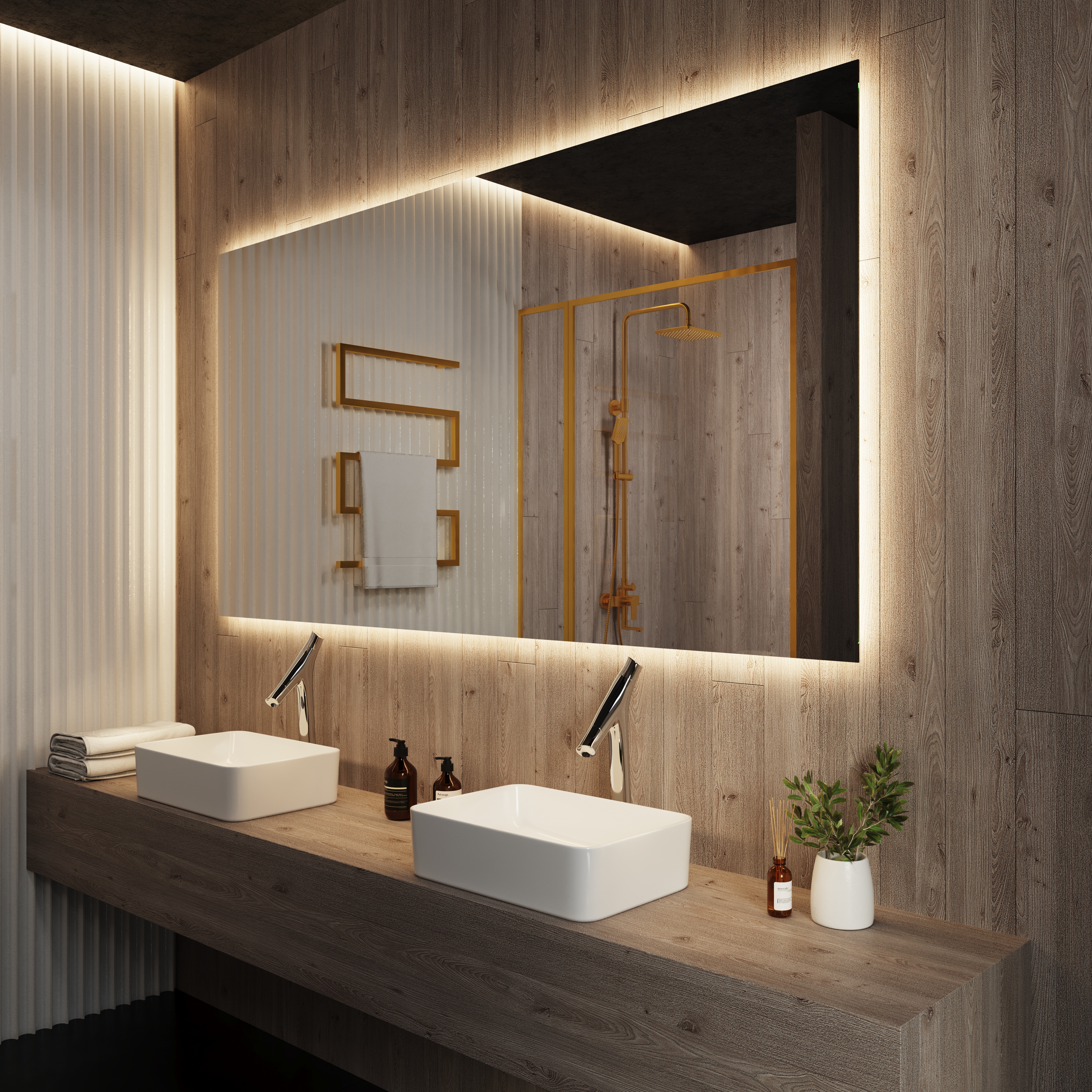
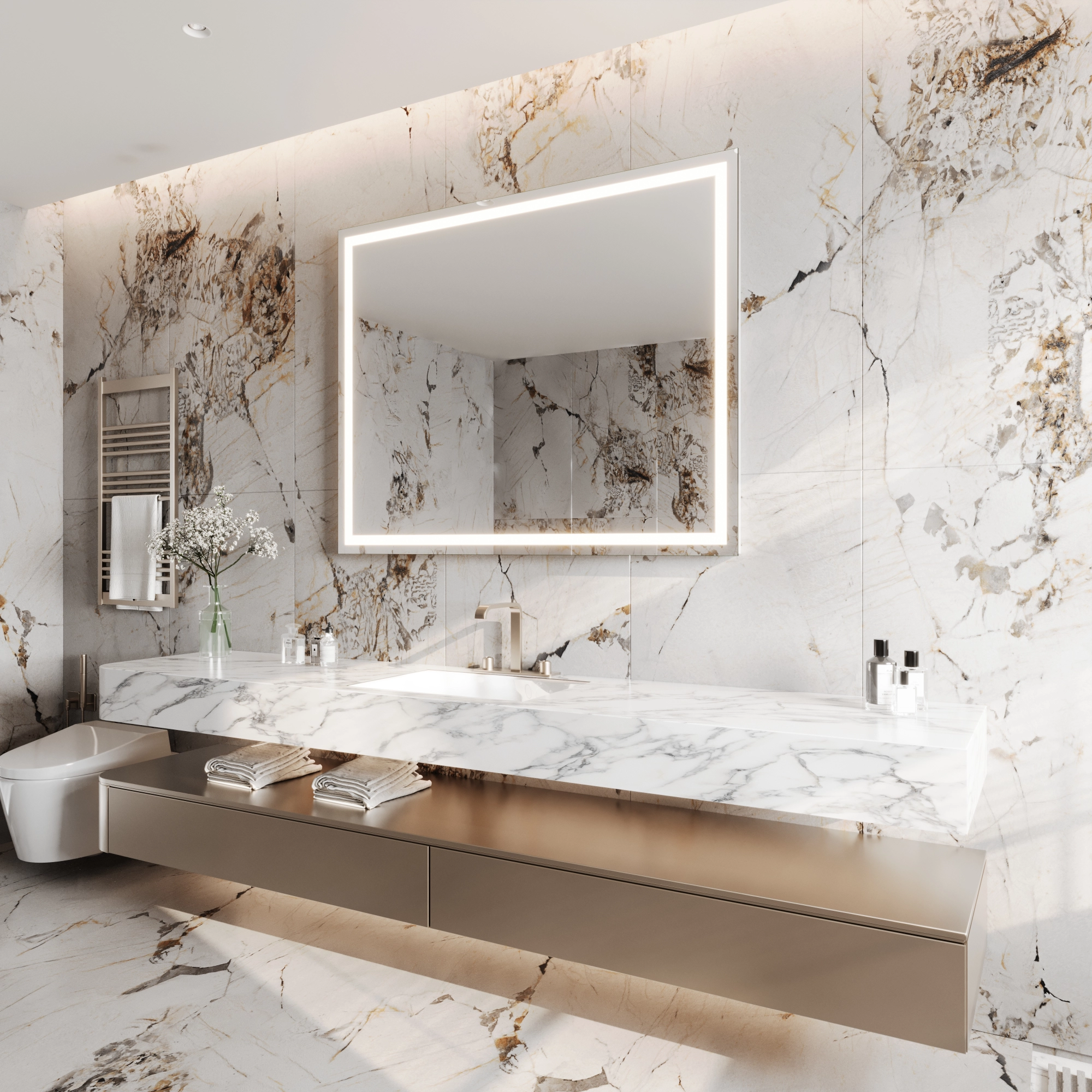
  • IBMirror presents a wide catalog: hundreds of LED-mirrors across different styles (lighted, backlit, “Hollywood”, cabinet-style) and shapes (oval, rectangle, round, square, “bubble”, cloud, arch, etc.). (IBMirror)

  • Customers can further customize their mirrors: choose model, size, LED color temperature, and optional features (anti-fog, demister, adjustable brightness and color via touch control or remote, etc.). (IBMirror)

  • According to IBMirror’s own promotional material, the company has served large numbers: they claim to have worked with tens of thousands of designers/builders and over a million customers. (IBMirror)

  • Warranty & After-sales: For their LED mirrors they claim a 5-year warranty covering LED light strips, electronic components (drivers, sensors, anti-fog elements, etc.), with a “money-back” guarantee (within 14 days, prior to installation) if the product is unused and properly packaged. (IBMirror)


How IBMirror Products Fit (or Don’t) with Architectural & Interior Projects

Given your background as an architect/design manager in Dubai, here’s how IBMirror’s offerings might — or might not — align with typical professional requirements:

✅ Potential Pros / Advantages

  • Customization capability: For high-end bathrooms in villas, apartments or hospitality projects, the ability to choose mirror size, LED color, anti-fog, and finishing makes IBMirror mirrors potentially flexible for different design requirements.

  • Modern aesthetic & integrated lighting: The LED-illuminated mirrors offer clean, contemporary looks — well suited for modern bathroom or vanity spaces, spa-style interiors, hotel bathrooms, etc.

  • Convenience and international shipment: Though based in the US, the company indicates capability for international shipping, which may allow procurement for projects in the UAE (subject to logistics, shipping cost, customs, etc.). (IBMirror)

⚠️ Limitations and Considerations

  • Lighting standards & scope: According to their FAQ, IBMirror itself does not recommend using an LED mirror as the only light source in a bathroom. It should complement — not replace — general overhead or ambient lighting. (IBMirror) In Dubai (and many other jurisdictions), bathrooms are subject to building codes / lighting requirements; sole reliance on a mirror-light may not meet those standards.

  • Warranty caveats: While there is a 5-year warranty, IBMirror explicitly excludes cosmetic or physical damage, and they may void warranty if cleaning or installation guidelines are not strictly followed. (IBMirror)

  • Logistics / shipping to Middle East: Though the site claims “global shipping,” the lead times, cost, and suitability (in terms of electrical standards, voltage, installation instructions) are not clearly tailored for UAE/ME projects — meaning additional due diligence would be needed (compatibility with local voltage/frequency, certifications, installation permissions, etc.).

  • Quality perception vs. lived feedback: Some reviews praise appearance and high build quality; others report issues with packaging, shipping delays, or concerns around long-term durability when exposed to humidity (particularly relevant in Dubai’s climate). (trustpilot.com)


Verdict: When IBMirror Makes Sense — and When to Be Cautious

Using IBMirror products can make sense when:

  • You have a design vision that demands modern, customizable LED-illuminated mirrors (e.g., upscale bathrooms, spa-like finishes, hotel rooms, luxury villas).

  • You're prepared to verify electrical compatibility, carry out careful installation, and supplement with additional lighting to meet local code requirements.

  • Procurement logistics (shipping, customs, lead time) are acceptable, or you work for a project where components can be imported with proper planning.

You should be cautious (or consider alternatives) when:

  • The project must strictly comply with local regulations regarding lighting, electrical standards, humidity resistance, and warranty support.

  • You expect long-term durability under high humidity and frequent use (bathroom environments in UAE can be harsh).

  • You require local sourcing and faster availability, or prefer products certified/tested for Middle East standards.


Conclusion & My Suggestion

IBMirror offers an attractive, flexible solution for LED-illuminated mirrors, with a broad catalog and customisation possibilities. For boutique or luxury projects in Dubai (villas, luxury apartments, hotel bathrooms), these could be interesting options — but only if you ensure compliance with lighting/electrical standards, and account for import logistics, local installation norms, and warranty limitations.


Surveying Excellence | How Al Warqa Survey Engineering Supports Building Design in Dubai


Introduction
In the architecture and engineering environment of Dubai, accurate and comprehensive surveying underpins successful building design, coordination and delivery. As a Design Manager based in this region, you understand how crucial it is to integrate reliable survey data into your BIM workflows, site planning and construction documentation. This article examines how Al Warqa Survey Engineering (AWSE) positions itself as a valuable partner for consultants, architects and contractors, what services they provide, how these align with local requirements and how you can utilise them for quality, compliance and efficiency.


Company Overview & Service Scope


Al Warqa Survey Engineering was established in 2001, originally focused on land-surveying, and has since expanded its service offering to include advanced techniques such as 3D laser scanning, UAV (drone) mapping, GPR (ground-penetrating radar) and full GIS/CAD deliverables. (alwarqasurvey.com)

Key services include:

  • 3D laser scanning (terrestrial) and 3D modelling for oil & gas, ship/engine and industrial environments. (alwarqasurvey.com)
  • Topographical surveys (GPS / total station), land & road surveys, contour mapping. (alwarqasurvey.com)
  • Drone survey / aerial mapping for large sites and infrastructure. (alwarqasurvey.com)
  • GPR underground services detection. (alwarqasurvey.com)
  • CAD/GIS services and integration into BIM workflows. (alwarqasurvey.com)

Their address in Dubai: P.O. Box 29340, Dubai, UAE. (alwarqasurvey.com)

They indicate they have “18+ years experience” and over “10,000 projects done”. (alwarqasurvey.com)


Specification & CSI Context


From a specification standpoint for architectural and design documentation in Dubai, the surveying work aligns typically with CSI MasterFormat divisions such as:

  • Division 01 — General Requirements (coordination, deliverables, tolerances)
  • Division 02 — Existing Conditions (for as-built surveys, laser scanning, site records)
  • Division 32 — Exterior Improvements (topography, grading, landwork)
  • Division 33 — Utilities (GPR, underground detection)
  • Division 34 — Transportation (if road surveys are involved)
  • Division 35 — Waterways & Marine (hydrographic, if relevant)

For example, when specifying a 3D laser scan deliverable for an existing structure that will be modelled in BIM, the consultant’s specification could reference Division 02 (Existing Conditions) and include deliverables such as point cloud files, extraction of BIM geometry, coordinate control, etc.

In the Dubai context, you should ensure survey deliverables align with local requirements such as:

  • The coordinate system requested (e.g., Dubai local grid, WGS84, UTM)
  • Submission format acceptable for municipal review (e.g., DCD or Dubai Municipality requirements)
  • Tolerance and accuracy stated in specification (e.g., ±2 mm for laser scan, ±10 mm for site survey)
  • BIM integration: point clouds aligned with Revit or other BIM software (which aligns with your interest in Revit)
  • Geospatial layering for utilities in coordination with developer/asset owners

When specifying Al Warqa Survey Engineering’s services in your consultant documents or tender packages you may include:

  • “Surveyor to provide 3D laser scanning of the existing structure, deliver point cloud in .las/.rcp format together with mesh and 3D Revit model, coordinate system XXXX, accuracy ±2 mm, and registration to control network.”
  • “Drone aerial survey to provide orthomosaic, DSM/DTM, ground control points (GCPs), annotated contours at intervals of 0.5 m, coordinate system XXXX.”
  • “GPR underground services detection across site area, annotated utilities drawing, depth information and GIS deliverable for integration with model.”

Website Summary & Key Systems


Although the website experienced some access issues, available content on Al Warqa Survey Engineering reveals the following:

  • They emphasise advanced instrumentation and methodology (“We use the most advanced surveying instruments and software”). (alwarqasurvey.com)
  • They highlight major service categories: 3D Laser Scanning, Topographical Survey, Drone Survey, GPR Survey, Aeronautical Survey, CAD/GIS Services. (alwarqasurvey.com)
  • The website suggests clients across residential, commercial, industrial, institutional and governmental sectors. (alwarqasurvey.com)
  • The company is ISO 9001:2015 certified. (alwarqasurvey.com)

From an architectural-design perspective the relevant systems include:

  • Laser scanning & BIM deliverables (useful for rehabilitation, retrofit, existing building surveys)
  • Drone mapping & topographical surveys (useful in large site planning, master-planning, infrastructure)
  • GPR utility detection (helpful for site constraints, underground services that may impact foundations or superstructure)
  • CAD/GIS integration (helpful if you require survey data to tie into master planning, GIS asset management, or BIM)

The benefit for architects/design managers:

  • Reduced risk in early design phases thanks to accurate site/topography/utility data
  • Better coordination between design and survey teams since deliverables are BIM-ready
  • Potential improvements in sustainability and design efficiency because high-fidelity site data supports optimisation (e.g., terrain modelling, solar studies)
  • Compliance and smoother approvals since surveys conform to recognised standards and controls

Regulatory & Dubai Context Considerations


In the UAE and particularly in Dubai, the following should be kept in mind when specifying or approving survey work:

  • Check whether the deliverables satisfy requirements of the Dubai Municipality and the Dubai Civil Defence if applicable (for example when site surveys are used for fire-fighting planning).
  • Confirm the coordinate reference system and datum. Dubai often uses the “Dubai Local Grid” or UTM zones; you must align with the developer/consultant standard.
  • For registered consultants you should ensure the survey company is licensed under the relevant Dubai regulatory category (i.e., Design & Build licence if surveying is part of the design package) and insured appropriately.
  • If the survey involves drones/UAVs, confirm compliance with the General Civil Aviation Authority (GCAA) regulations, including permissions for aerial operations in Dubai airspace.
  • Where underground utilities or services are involved, coordination with the local utility owner (DEWA, DU, etc) may be required before, during or after the survey to validate data.
  • Ensure the survey scope and tolerances are clearly defined in the contract documents and referenced in your design package so that the design team knows how to use the data (e.g., point cloud, mesh, contours).
  • For BIM integration, confirm deliverables conform to your BIM Execution Plan (BEP) — for example: file formats for point clouds (.rcp, .rcs), coordinate control, metadata for layers, etc.

How Architects & Design Managers Should Leverage Their Services


Here are practical suggestions for you as a Design Manager working in Dubai:

  • Early in the project (concept/pre-design) engage a survey provider like Al Warqa Survey Engineering to produce a high-fidelity site model (topography, contours, utilities) so that your design team works with real data rather than assumptions.
  • If you are engaging in refurbishment or retro-fit of an existing building, order a 3D laser scan of the structure and convert the data into BIM format so your architecture, structure and MEP teams have a precise as-built model.
  • Use drone mapping to support massing models, site context, pedestrian flows, solar access and shadow studies early in your design process.
  • For infrastructure or complex sites, order a GPR utility survey to detect underground services and integrate these into your site model so that foundation design, piling layouts or podium design can coordinate with existing infrastructure.
  • When specifying deliverables in your tender documents for consultants, reference Al Warqa’s capabilities (laser scan, drone, GPR) and specify the required formats, coordinate systems, tolerances, BIM integration requirements.
  • Monitor the survey deliverables when they are handed to the design team: verify coordinate control, confirm accuracy, check that point clouds align with control network, review mesh/solid model extraction for completeness.
  • Coordinate with your procurement/legal team to check Al Warqa’s certifications (ISO 9001), insurance, previous project experience in UAE (which they claim).
  • Because you are in Dubai and working at senior level, ensure that the survey data is stored and managed in your project’s BIM environment (e.g., Revit with point cloud linking, Navisworks) and version-controlled as part of your digital delivery strategy.

Conclusion
For architectural consultants and design managers operating in Dubai’s sophisticated building market, selecting a reliable surveying partner is fundamental. Al Warqa Survey Engineering has grown from a traditional land-survey firm into a multi-tech provider offering laser scanning, drone mapping, utility detection and BIM-ready deliverables. When specified correctly, these services support better coordination, risk reduction, and design quality.

By integrating their deliverables early in your design process, aligning the specification and ensuring compliance with Dubai’s regulatory framework, you can elevate the precision, efficiency and sustainability of your projects.

Suggested image to accompany the post: high-resolution photograph of a drone survey in progress on a Dubai construction site (with city skyline in background).

References
Al Warqa Survey Engineering website and services overview. (alwarqasurvey.com)
Company profile and location details. (TradersFind)
List of best survey companies in Dubai acknowledging Al Warqa. (Vocal)

Light + Intelligent Building Middle East


Image

Image

Here is a full blog-post draft tailored for your Google Blog, intended for architects, consultants and contractors in Dubai.
Please review and if you like it I can prepare the formatting (images, alt-text, header tags) for you too.


Introduction

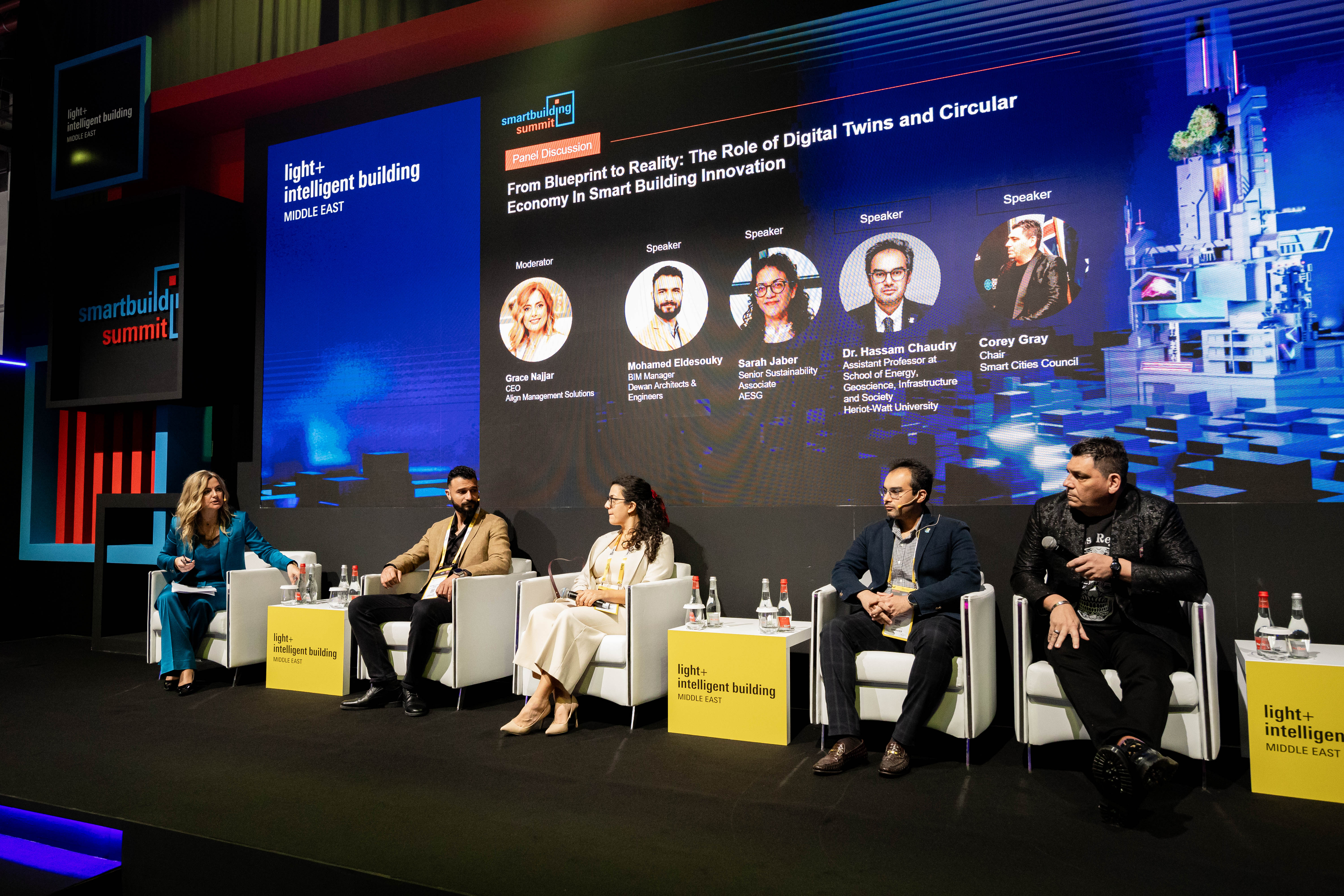
The “Light + Intelligent Building Middle East” trade event, taking place at the Dubai World Trade Centre, stands as one of the most significant gatherings in the region for lighting, electrical engineering and smart building technology. For consultants, architects and contractors working in Dubai it is a key reference point for specifying systems, meeting manufacturers, understanding standards and discovering innovations.


What is the Event?


Key Products, Systems & Services Exhibited

For architectural specification and consulting in Dubai, the following categories are particularly relevant:


Website Summary

The official website for the event presents the following:

How it benefits architects

  • By visiting or exhibiting, architects and consultants gain first-hand exposure to the latest lighting and smart building technologies.

  • The conference elements provide insights into changing trends, regulatory updates and design-oriented best practices.

  • The breadth of product categories allows the built-environment professional to see both systems (lighting, smart controls) and components (drivers, optics) in one place—making specification decisions more informed.

  • Networking with region-specific manufacturers, as well as global brands, helps align design decisions with local availability, deliverability and service support in Dubai and the UAE.


Specification & CSI MasterFormat Context

For use in architectural specifications in Dubai, the relevant CSI (Construction Specifications Institute) MasterFormat divisions include:

Explanation for Dubai specifications
In Dubai, consultants typically reference the British-based standard BS/EN lighting standards, the UAE fire and life-safety code via Dubai Civil Defence (DCD), and energy efficiency regulations via Dubai Electricity and Water Authority (DEWA) or other Emirate utilities. Specifying under Division 26 for lighting means ensuring that control systems, luminous efficacy, emergency lighting, daylight integration and smart control systems are aligned with local energy codes (e.g., DEWA’s Green Building Regulations) and lighting design best-practice (for example via the Illuminating Engineering Society (IES) Middle East branch). Attending this event helps consultants keep specification language up to date and align with manufacturer capabilities available locally.


Regulatory & Dubai-Market Context

Architects and consultants in Dubai should consider the following when using insights from the event:

  • Ensure lighting products and systems comply with DEWA’s requirements for energy efficiency, such as LED efficacy, lighting control, daylight harvesting, etc.

  • Comply with Dubai Municipality’s Green Building Regulations (currently Dubai Green Building Code) for lighting power allowances, control systems and lighting design.

  • For emergency/egress lighting design, coordinate with Dubai Civil Defence (DCD) codes — attending the event helps identify compliant products and certified suppliers.

  • For smart building or automation systems (BMS, IoT, lighting controls) ensure interoperability with facility management platforms used in Dubai-based projects. The event’s Smart Building Summit component helps stay current.

  • For architectural lighting (façade, decorative feature lighting), consider UL/CE / IEC certifications, local warranty and service availability in UAE market—exhibitors at the event often provide Middle East servicing.

  • Keep abreast of regulatory updates: for example, event commentary shows that the 2025 edition will include guidelines from the IES on embodied carbon in building services. (Light + Intelligent Building Middle East)


Why Architects / Consultants / Contractors Should Attend

  • Visualise mature lighting & building automation solutions in situ rather than only on paper.

  • Meet global and regional suppliers, enabling local procurement and maintenance planning.

  • Obtain continuing-education insights via conference and workshops, useful for specification refinement, risk mitigation and value engineering.

  • Identify sustainable and innovative solutions (LED lighting, IoT-enabled lighting/automation, integrated façade lighting) to bolster design credentials and occupant experience.

  • Networking with peers, manufacturers and government/industry bodies creates opportunities for collaborations and early-adopter positioning in Dubai’s competitive market.


Practical Tips for Dubai Professionals

  • Plan ahead: register for visitor pass, download the mobile app to identify relevant booths (lighting controls, architectural lighting, smart building).

  • Target the conference sessions early: Smart Building Summit is highly relevant for current market trends; THINKLIGHT is focused on lighting design.

  • Allocate time to study product sections you specify most: for example if you handle façade lighting, make a circuit through decorative/architectural lighting exhibitors.

  • Bring project-specific questions: e.g., lighting power densities, control interoperability, local service contract options.

  • Use the event to update your “approved supplier list” for Dubai projects — check that exhibitors service UAE and provide certifications/warranty locally.

  • Consider the post-event follow-up: collect literature, schedule workshops with promising suppliers and incorporate new technology into your upcoming specifications.


Conclusion

For architectural and consulting professionals in Dubai working in the building services, lighting design or smart building domain, the “Light + Intelligent Building Middle East” event is more than a trade show. It is a strategic forum for aligning design and specification practice with current market availability, regulatory expectations and emerging innovation. Attending (or at minimum following the outcomes) allows you to craft lighting and automation specifications that are technically robust, market-ready and aligned with the evolving demands of Dubai’s built environment.


Suggested Visual

For your blog post I suggest using a high-resolution image that shows an architectural lighting installation in a Dubai context — for example a façade illuminated by LED systems, or a lighting control room showcasing smart building integration. You might link to a suitable royalty-free image of a modern LED-illuminated building in Dubai or a lighting exhibition hall shot from the event (if permitted) for visual context.


References